
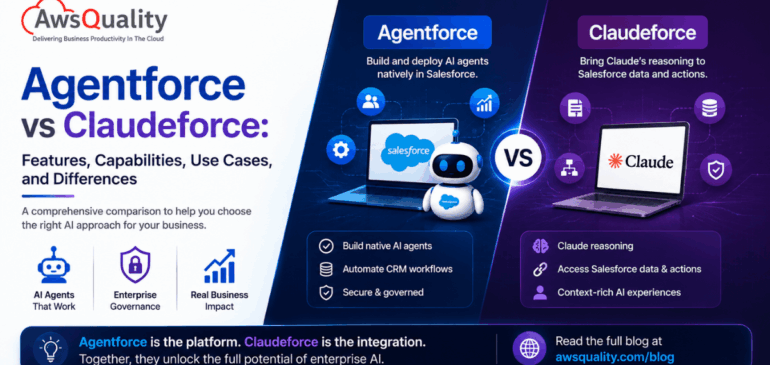
Agentforce vs Claudeforce: Features, Capabilities, Use Cases, and Differences
Artificial intelligence is moving beyond standalone chatbots and copilots. Enterprises increasingly want AI systems that can understand business context, reason across data, execute workflows, and take governed actions. That shift is particularly visible in the Salesforce ecosystem. Salesforce has positioned Agentforce as its platform for building and deploying AI agents…
Cloud ROI: How to Measure the Business Value of Cloud Investments
Most organizations know their cloud bill to the dollar. Far fewer know whether their cloud investment is actually paying off. This is one of the most consistent patterns in enterprise cloud adoption: organizations have detailed visibility into what they spend on cloud infrastructure and almost no visibility into the business…
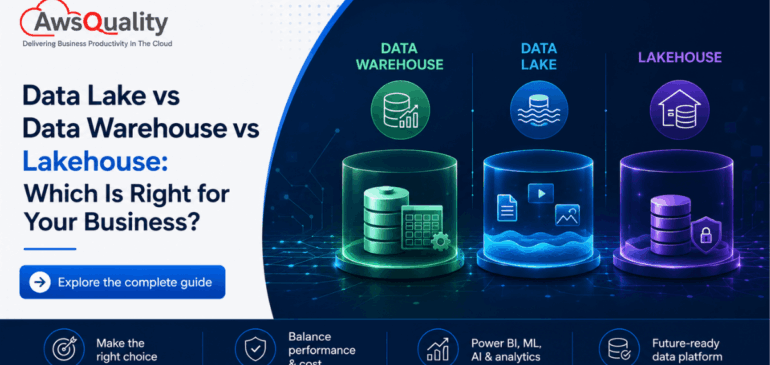
Data Lake vs Data Warehouse vs Lakehouse: Which is Right for Your Business?
Modern enterprises have more data than ever. Customer interactions. Transaction records. Sensor outputs. Application logs. Marketing events. Financial reports. CRM updates. Social signals. But having more data is not the same as having better answers. The difference between an organization that extracts consistent business value from its data and one…
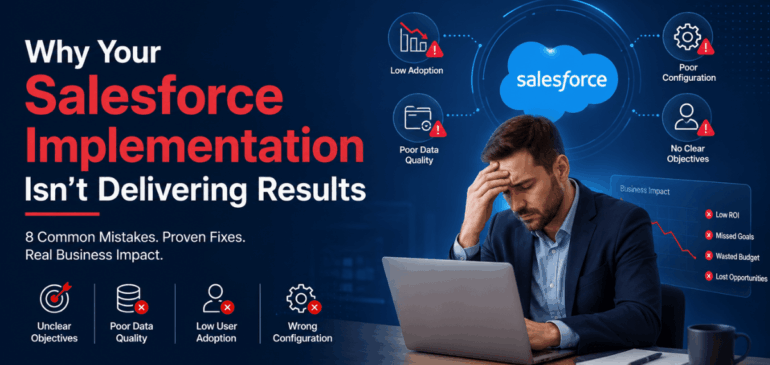
Why your Salesforce implementation isn’t delivering results
Introduction: Salesforce Works. Your Implementation Might Not. Salesforce is the world’s number one CRM platform, commanding 20.7% of the global market for the twelfth consecutive year. More than 150,000 organizations run their customer relationships, sales pipelines, service operations, and marketing automation on it. The technology is proven, continuously improved, and…
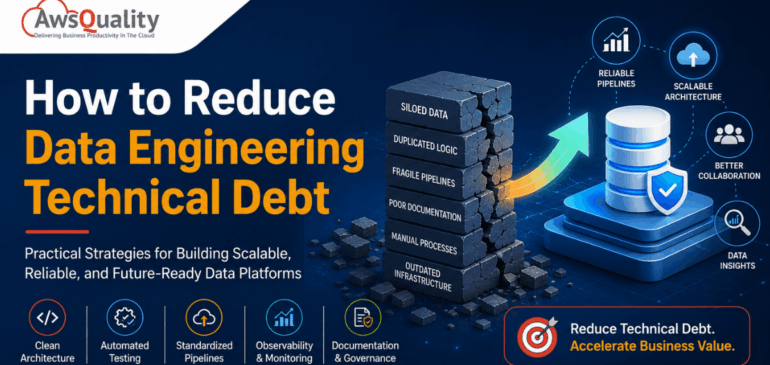
How to Reduce Data Engineering Technical Debt
Modern businesses increasingly depend on data pipelines to power analytics, reporting, machine learning, artificial intelligence, and operational decision-making. But as data environments grow, the engineering foundation behind them can become difficult and expensive to maintain. Quick fixes, duplicated transformations, undocumented pipelines, outdated infrastructure, fragile integrations, and inconsistent data models may…
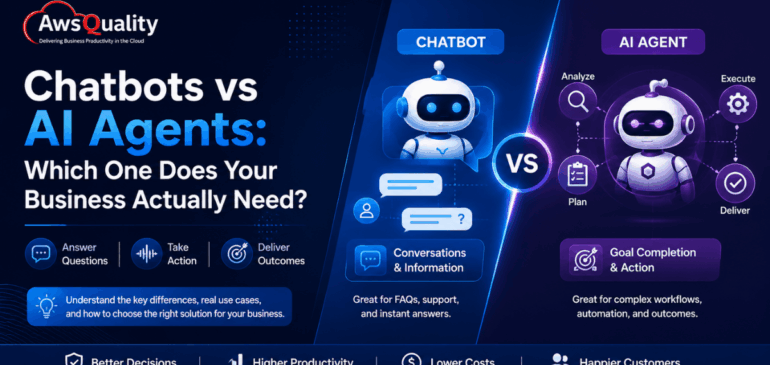
Chatbots vs AI Agents: Which One Does Your Business Actually Need?
For years, businesses have used chatbots to answer customer questions, provide basic support, qualify leads, and reduce pressure on service teams. Now, a new category has moved to the center of enterprise AI discussions: AI agents. At first glance, the distinction can seem small. Both can communicate in natural language….
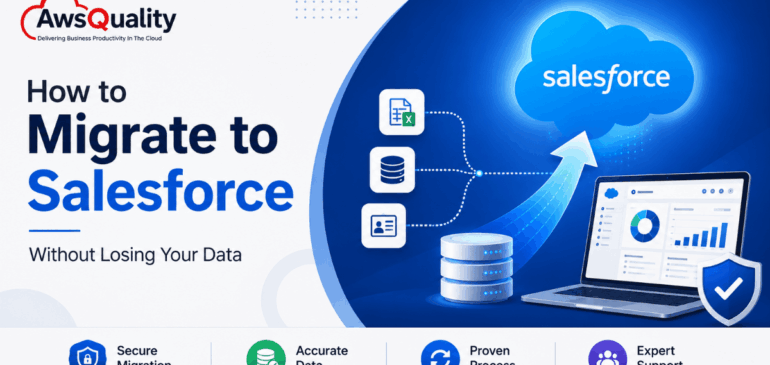
How to Migrate to Salesforce Without Losing Your Data
Migrating to Salesforce is one of the most important steps organizations take to modernize customer relationship management (CRM). Whether you’re moving from spreadsheets, a legacy CRM, or another cloud-based platform, a successful Salesforce migration can improve sales productivity, customer service, reporting, and business efficiency. However, data migration is often the…
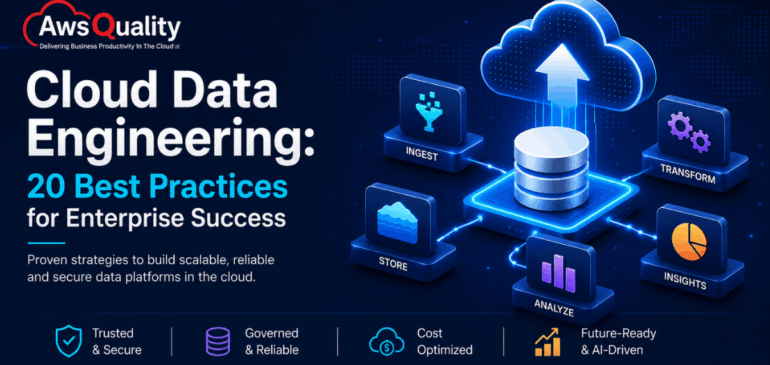
Cloud Data Engineering: Best Practices for Enterprise Success
Introduction: Why Cloud Data Engineering Is the Enterprise Capability That Cannot Be Improvised The global data engineering market is projected to reach $105.40 billion in 2026. 94% of enterprises now use cloud services, according to a 2026 cloud engineering trends analysis. 78% of organizations have unified their data platforms under…
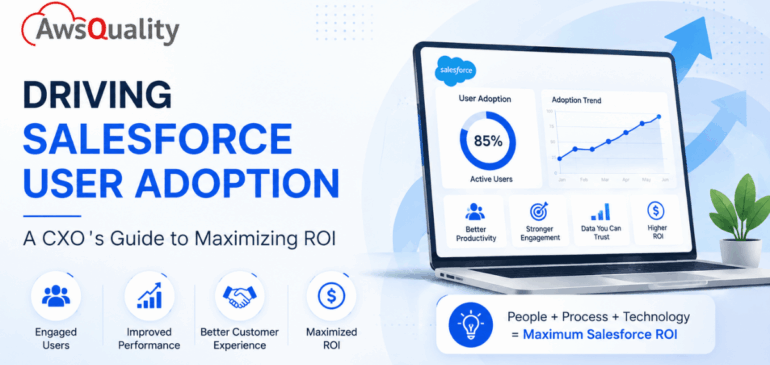
Driving Salesforce User Adoption: A CXO’s Guide to Maximizing ROI
Implementing Salesforce is only half the journey. The real business value comes when your people actually use it. Organizations invest millions in Salesforce implementation to streamline sales, improve customer experiences, automate workflows, and gain actionable insights. Yet many executives find themselves asking the same question months after deployment: “Why aren’t…
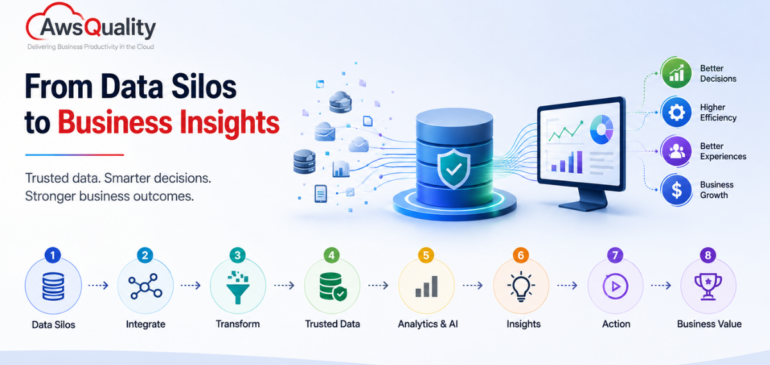
From Data Silos to Business Insights: How Data Engineering Creates Enterprise Value
Modern enterprises rarely suffer from a lack of data. Customer interactions live in CRM platforms. Financial information sits in ERP systems. Marketing teams generate campaign data. Applications create logs and behavioral data. Cloud platforms, IoT devices, support systems, and third-party applications continuously add more information. The problem is that much…