

Managed Data Engineering Services vs. In-House Teams: Which is Better?
Data has become a core business asset. Customer transactions, CRM records, financial data, application events, operational systems, IoT devices, and third-party platforms continuously generate information that organizations need to collect, integrate, transform, govern, and analyze. But building the engineering capability required to manage that data creates an important strategic question:…
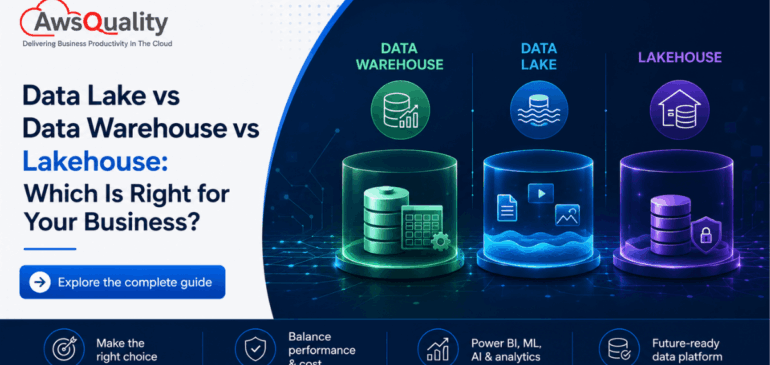
Data Lake vs Data Warehouse vs Lakehouse: Which is Right for Your Business?
Modern enterprises have more data than ever. Customer interactions. Transaction records. Sensor outputs. Application logs. Marketing events. Financial reports. CRM updates. Social signals. But having more data is not the same as having better answers. The difference between an organization that extracts consistent business value from its data and one…
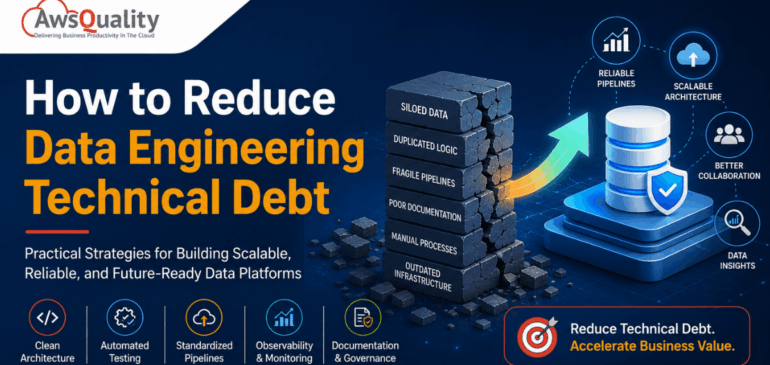
How to Reduce Data Engineering Technical Debt
Modern businesses increasingly depend on data pipelines to power analytics, reporting, machine learning, artificial intelligence, and operational decision-making. But as data environments grow, the engineering foundation behind them can become difficult and expensive to maintain. Quick fixes, duplicated transformations, undocumented pipelines, outdated infrastructure, fragile integrations, and inconsistent data models may…
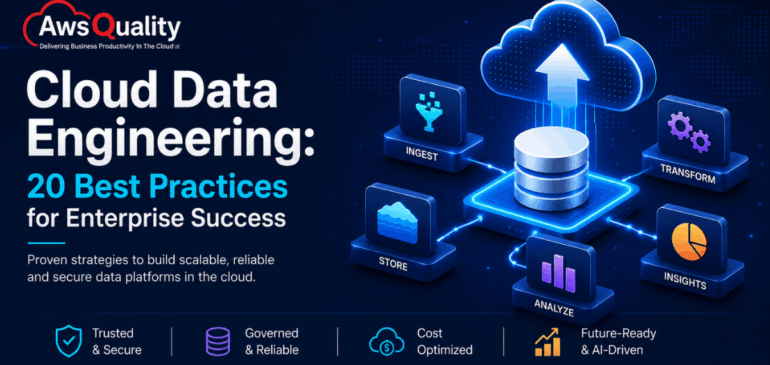
Cloud Data Engineering: Best Practices for Enterprise Success
Introduction: Why Cloud Data Engineering Is the Enterprise Capability That Cannot Be Improvised The global data engineering market is projected to reach $105.40 billion in 2026. 94% of enterprises now use cloud services, according to a 2026 cloud engineering trends analysis. 78% of organizations have unified their data platforms under…
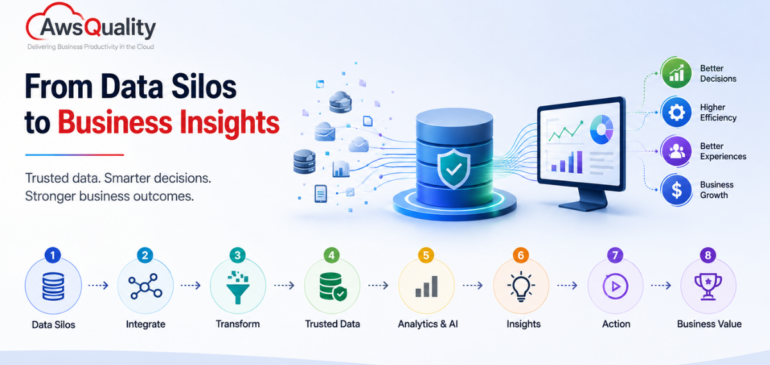
From Data Silos to Business Insights: How Data Engineering Creates Enterprise Value
Modern enterprises rarely suffer from a lack of data. Customer interactions live in CRM platforms. Financial information sits in ERP systems. Marketing teams generate campaign data. Applications create logs and behavioral data. Cloud platforms, IoT devices, support systems, and third-party applications continuously add more information. The problem is that much…
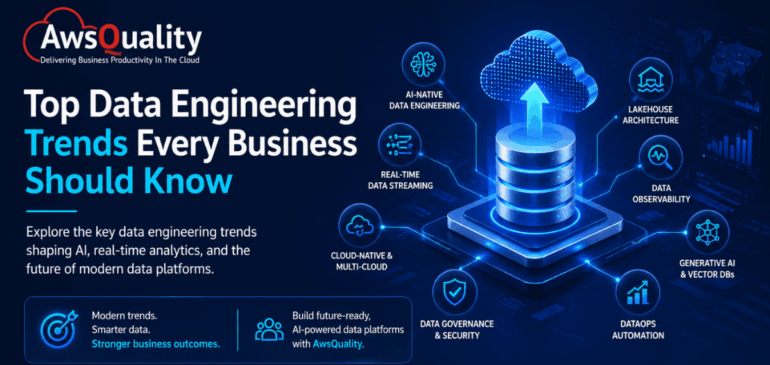
Top Data Engineering Trends Every Business Should Know
Data has become the foundation of digital transformation. As organizations embrace artificial intelligence (AI), machine learning (ML), cloud computing, and real-time analytics, traditional data architectures are no longer sufficient to meet modern business demands. Today’s enterprises need data platforms that are scalable, secure, intelligent, and AI-ready. This shift has placed…
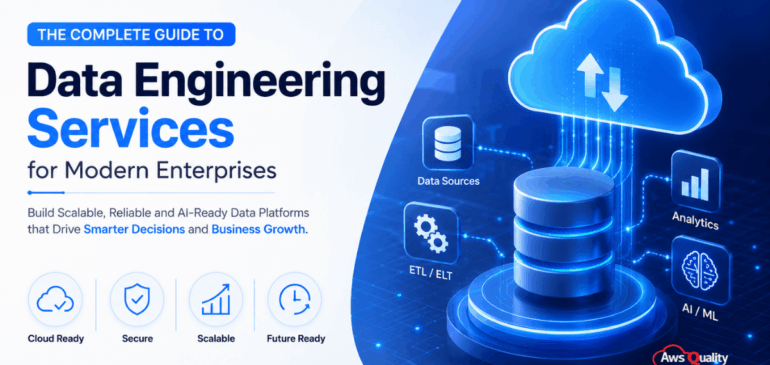
The Complete Guide to Data Engineering Services for Modern Enterprises
Data has become the foundation of modern business. Every customer interaction, financial transaction, IoT sensor, application, and business process generates valuable information that can drive smarter decisions and fuel innovation. However, collecting data is only the first step. Many enterprises struggle with disconnected systems, inconsistent data quality, legacy infrastructure, slow…
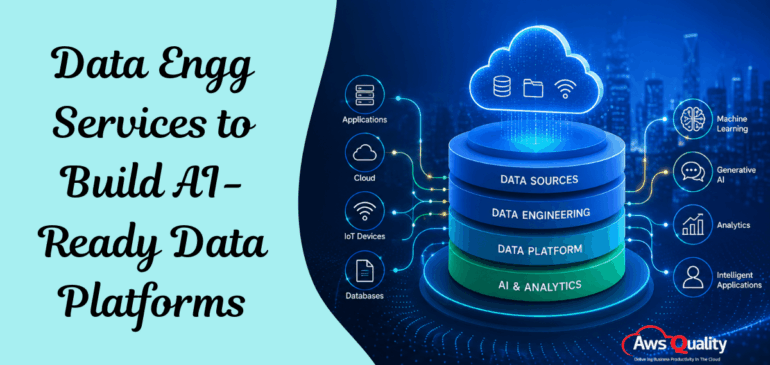
How Data Engineering Services Help Enterprises Build AI-Ready Data Platforms
Artificial Intelligence has rapidly become a strategic priority for enterprises across industries. Organizations are investing in AI-powered customer experiences, intelligent automation, predictive analytics, generative AI, AI agents, and real-time decision-making. Yet many AI initiatives fail—not because the models are inadequate, but because the underlying data is fragmented, inconsistent, or inaccessible….