
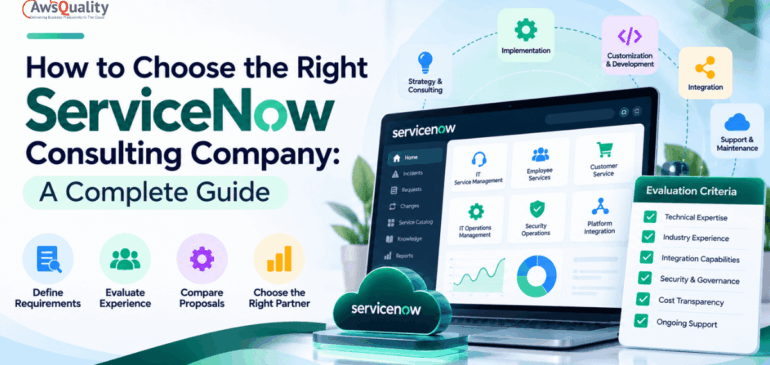
How to Choose the Right ServiceNow Consulting Company: A Complete Guide
Choosing the right ServiceNow consulting company can make a significant difference in how effectively your business implements and manages the ServiceNow platform. The right consulting partner can help you streamline workflows, improve IT service delivery, connect business systems, and build processes that support long-term operational goals. However, selecting a provider…
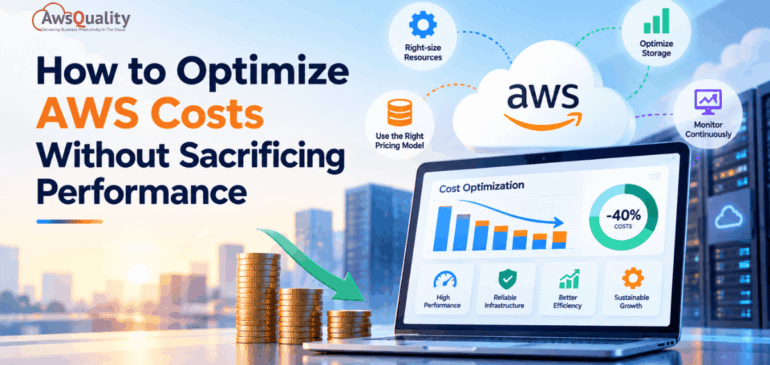
How to Optimize AWS Costs Without Sacrificing Performance
Cloud adoption gives businesses the ability to scale infrastructure quickly, launch applications globally, and respond to changing workloads without maintaining traditional data centers. But as AWS environments grow, cloud spending can become difficult to predict and manage. The challenge is not simply to spend less on AWS. Aggressive cost cutting…
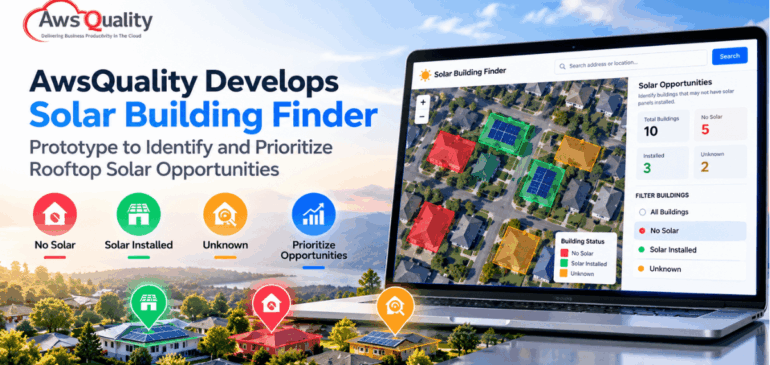
AwsQuality Develops Solar Building Finder Prototype to Identify and Prioritize Rooftop Solar Opportunities
Finding the right rooftops is one of the first challenges in solar sales. Sales teams and installers need to identify buildings that may be suitable for solar, determine whether solar panels are already installed, inspect the available roof area, and decide which opportunities deserve attention first. To explore a more…
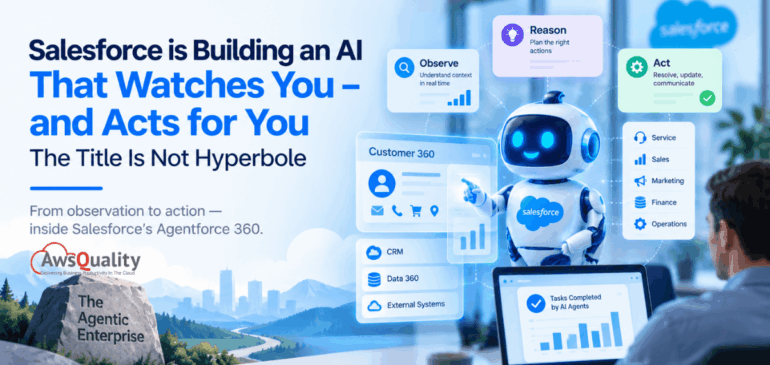
Salesforce is Building an AI That Watches You – and Acts for You
The Title Is Not Hyperbole Salesforce is building AI that can observe relevant business activity, understand context, and act on it. It resolves service cases. It updates CRM records. It sends follow-up emails. It triggers fulfillment workflows. It escalates to a human agent when the situation exceeds what it is…
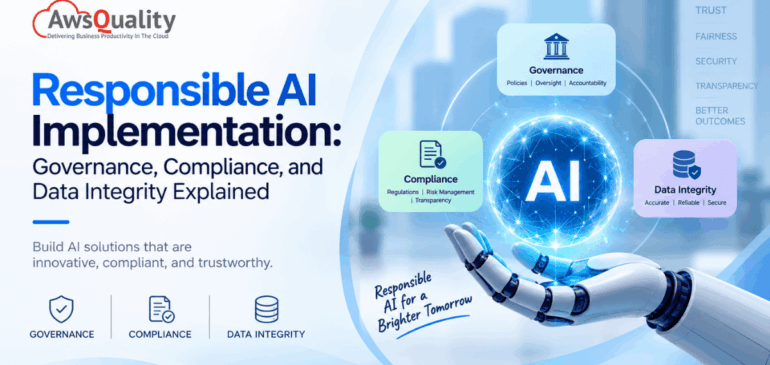
Responsible AI Implementation: Governance, Compliance, and Data Integrity Explained
Artificial intelligence is moving from experimentation into everyday business operations. Organizations are using AI for customer service, fraud detection, forecasting, marketing personalization, employee productivity, software development, healthcare workflows, financial decisions, and increasingly autonomous business processes. But deploying an AI model successfully is not the same as deploying AI responsibly. A…
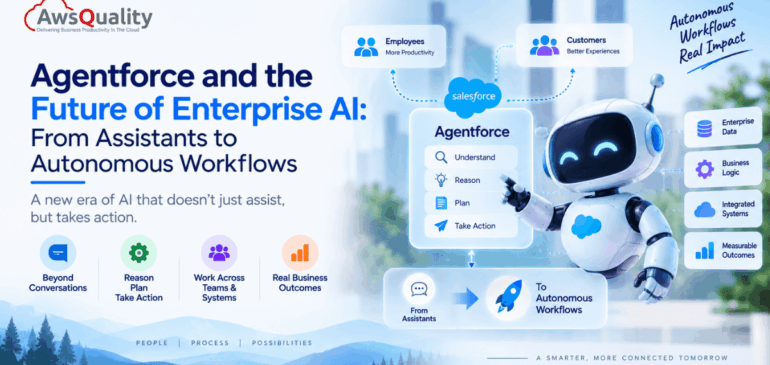
Agentforce and the Future of Enterprise AI: From Assistants to Autonomous Workflows
Enterprise AI is entering a new phase. For years, businesses primarily used AI as an assistant. AI could answer questions, summarize documents, generate content, analyze information, recommend actions, and help employees complete individual tasks. That model is changing. The next generation of enterprise AI is increasingly focused on agents that…
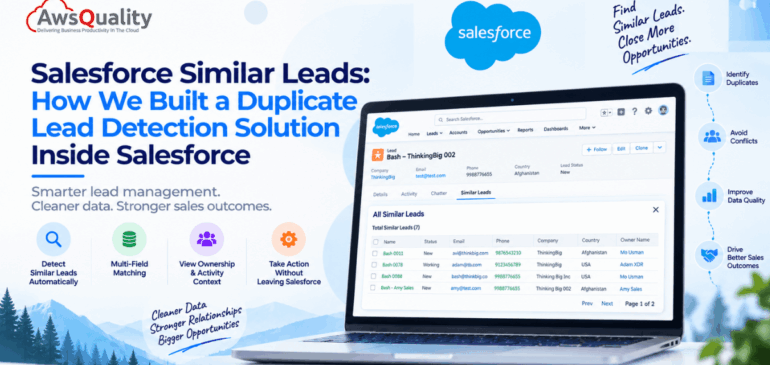
Salesforce Similar Leads: How We Built a Duplicate Lead Detection Solution Inside Salesforce
Why We Built This Every organization that generates leads at scale eventually runs into the same problem. A prospect submits a website form. Three weeks later, the same person registers for a webinar. A month after that, a partner uploads a lead list that includes that person again. Salesforce now…
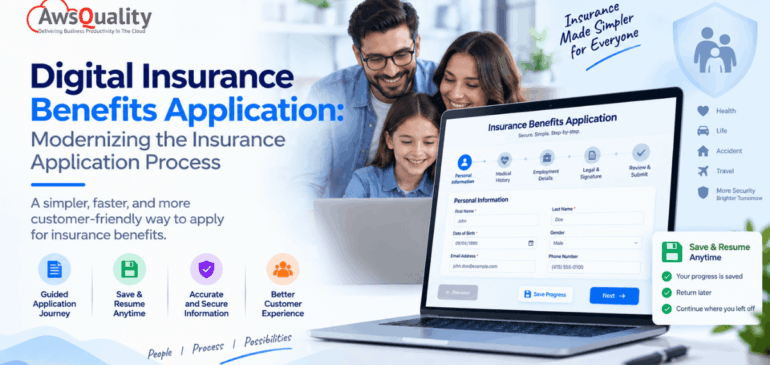
Digital Insurance Benefits Application: Modernizing the Insurance Application Process
Insurance application processes can involve substantial amounts of information, multiple forms, legal declarations, medical details, and customer verification. When these processes rely heavily on paper forms, manual data entry, or fragmented workflows, they can create friction for both customers and insurance organizations. A modern digital application can bring these steps…
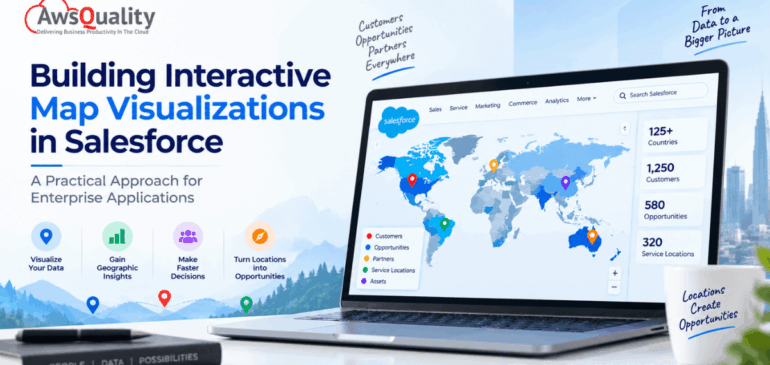
Building Interactive Map Visualizations in Salesforce: A Practical Approach for Enterprise Applications
Salesforce is widely used to manage customer, sales, service, partner, and operational data. However, much of that information is traditionally presented through records, tables, reports, and dashboards. For businesses that operate across multiple geographic locations, there is another dimension that can make Salesforce data easier to understand: location. Interactive maps…
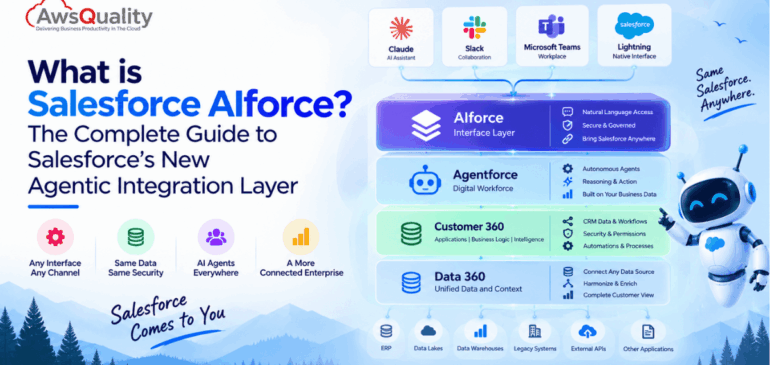
What is Salesforce AIforce? The Complete Guide to Salesforce’s New Agentic Integration Layer
Introduction: Salesforce Comes to You For over two decades, using Salesforce meant going to Salesforce. You logged in, navigated the interface, found the right record, and worked within the layouts and fields the platform provided. The Salesforce UI was the product. At Dreamforce 2026, on September 15, Salesforce announced that…