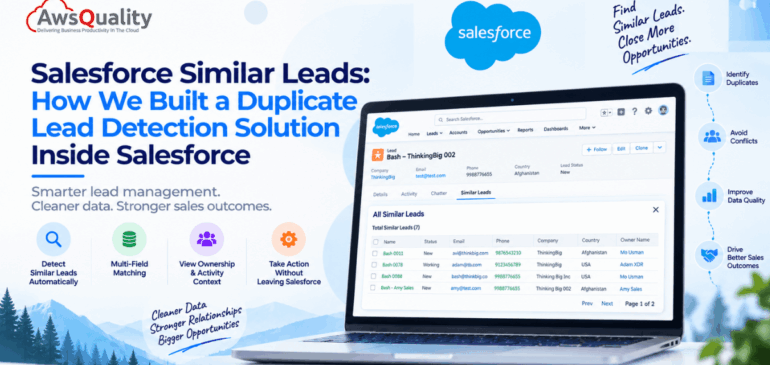
Salesforce Similar Leads: How We Built a Duplicate Lead Detection Solution Inside Salesforce
Why We Built This Every organization that generates leads at scale eventually runs into the same problem. A prospect submits a website form. Three weeks later, the same person registers for a webinar. A month after that, a partner uploads a lead list that includes that person again. Salesforce now…
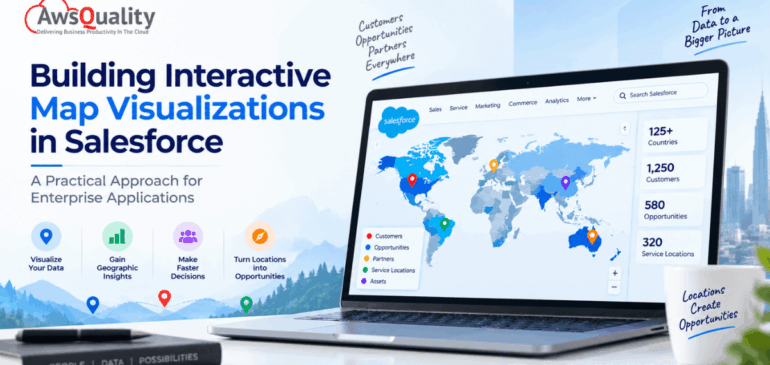
Building Interactive Map Visualizations in Salesforce: A Practical Approach for Enterprise Applications
Salesforce is widely used to manage customer, sales, service, partner, and operational data. However, much of that information is traditionally presented through records, tables, reports, and dashboards. For businesses that operate across multiple geographic locations, there is another dimension that can make Salesforce data easier to understand: location. Interactive maps…
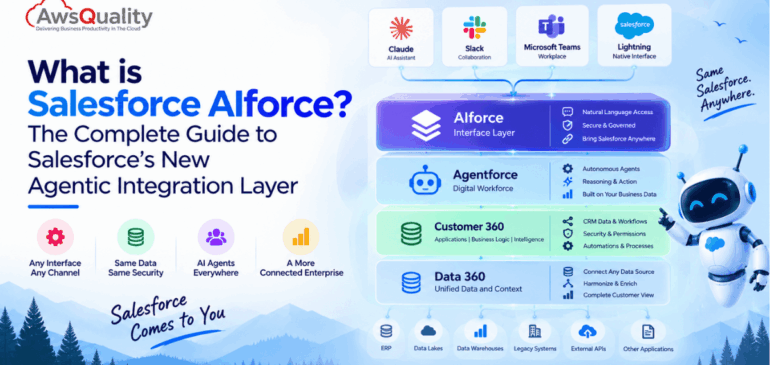
What is Salesforce AIforce? The Complete Guide to Salesforce’s New Agentic Integration Layer
Introduction: Salesforce Comes to You For over two decades, using Salesforce meant going to Salesforce. You logged in, navigated the interface, found the right record, and worked within the layouts and fields the platform provided. The Salesforce UI was the product. At Dreamforce 2026, on September 15, Salesforce announced that…
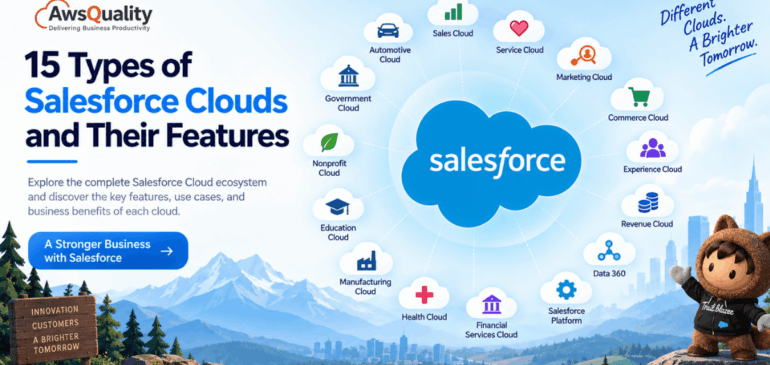
15 Types of Salesforce Clouds and Their Features
Salesforce is more than a customer relationship management (CRM) platform. Its broad portfolio includes purpose-built applications and industry solutions designed to help organizations manage sales, customer service, marketing, commerce, data, revenue operations, and industry-specific processes from a connected platform. Salesforce “Clouds” are designed around specific business functions or industries. For…
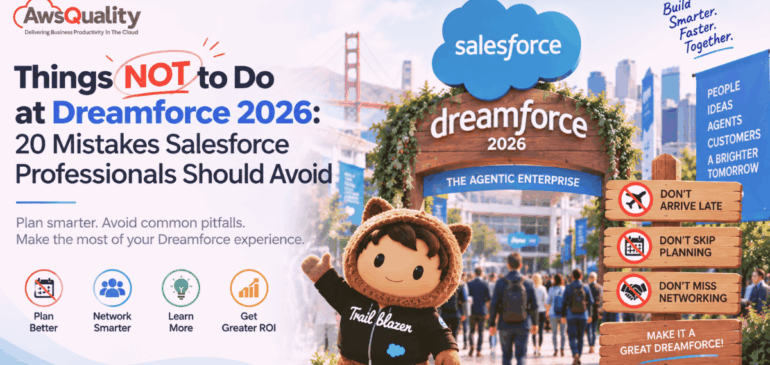
Things NOT to Do at Dreamforce 2026: Common Mistakes Salesforce Professionals Should Avoid
Dreamforce 2026 is five days away. September 15–17 at Moscone Center in San Francisco. The Agentic Enterprise as the theme. More than 40,000 attendees in person, 1,600-plus sessions, 50-plus keynotes, 150-plus hands-on trainings, and the Dreamfest concert that has featured Red Hot Chili Peppers, Foo Fighters, and Metallica in previous…
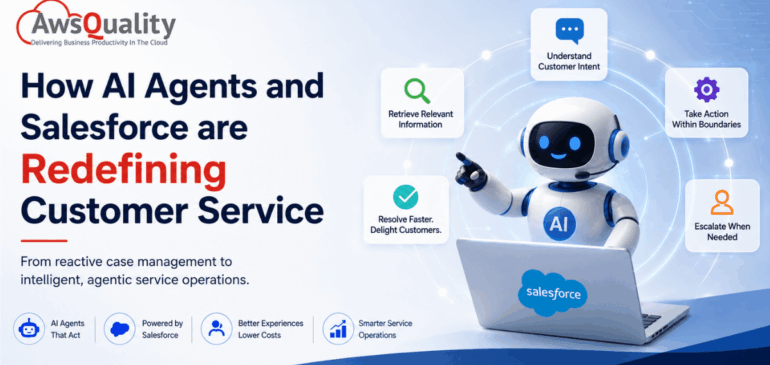
How AI Agents and Salesforce are Redefining Customer Service
Two years ago, the conversation about AI in customer service was primarily about potential. Leaders discussed what AI agents might do for customer satisfaction, service costs, and agent productivity. The discussion was speculative, optimistic, and largely disconnected from verifiable production results. That conversation has fundamentally changed. Now, AI agents are…
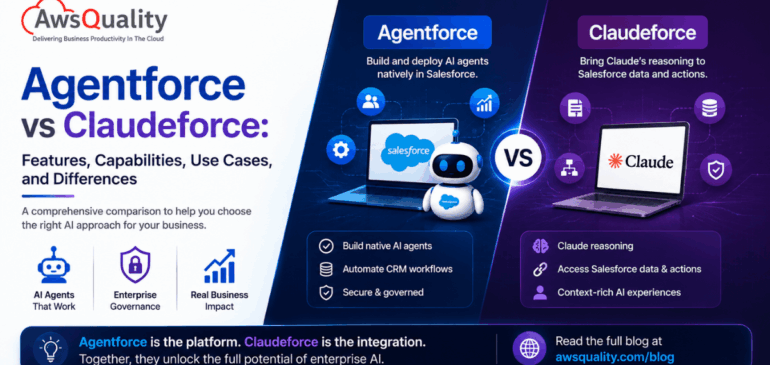
Agentforce vs Claudeforce: Features, Capabilities, Use Cases, and Differences
Artificial intelligence is moving beyond standalone chatbots and copilots. Enterprises increasingly want AI systems that can understand business context, reason across data, execute workflows, and take governed actions. That shift is particularly visible in the Salesforce ecosystem. Salesforce has positioned Agentforce as its platform for building and deploying AI agents…
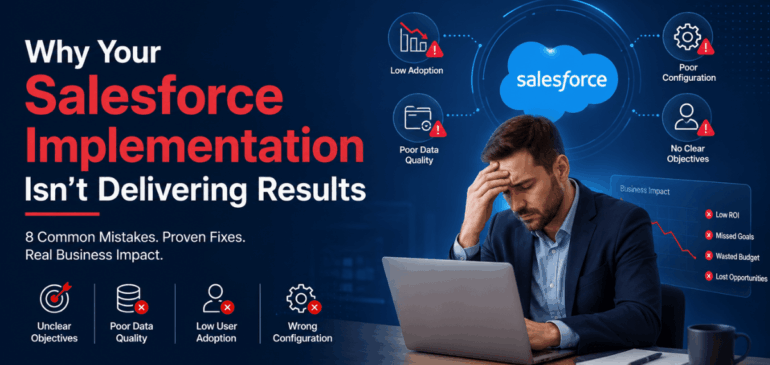
Why your Salesforce implementation isn’t delivering results
Introduction: Salesforce Works. Your Implementation Might Not. Salesforce is the world’s number one CRM platform, commanding 20.7% of the global market for the twelfth consecutive year. More than 150,000 organizations run their customer relationships, sales pipelines, service operations, and marketing automation on it. The technology is proven, continuously improved, and…
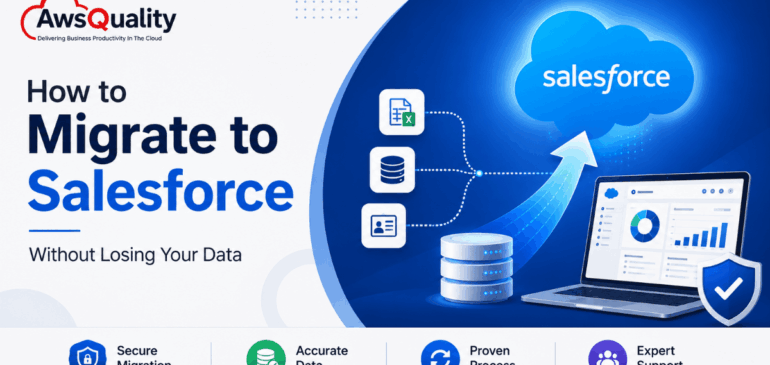
How to Migrate to Salesforce Without Losing Your Data
Migrating to Salesforce is one of the most important steps organizations take to modernize customer relationship management (CRM). Whether you’re moving from spreadsheets, a legacy CRM, or another cloud-based platform, a successful Salesforce migration can improve sales productivity, customer service, reporting, and business efficiency. However, data migration is often the…
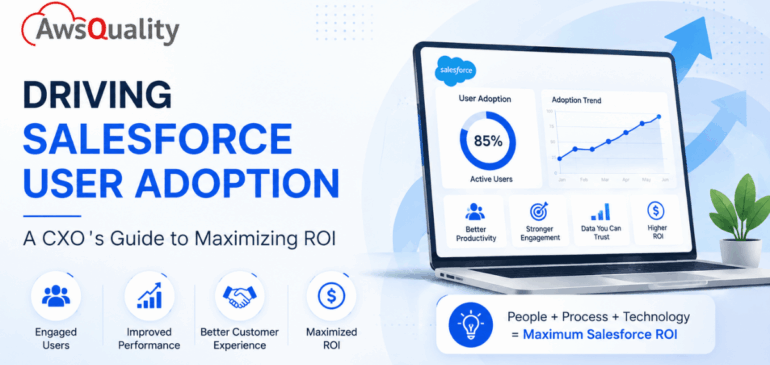
Driving Salesforce User Adoption: A CXO’s Guide to Maximizing ROI
Implementing Salesforce is only half the journey. The real business value comes when your people actually use it. Organizations invest millions in Salesforce implementation to streamline sales, improve customer experiences, automate workflows, and gain actionable insights. Yet many executives find themselves asking the same question months after deployment: “Why aren’t…